What Makes Professional Termite Control Services So Effective
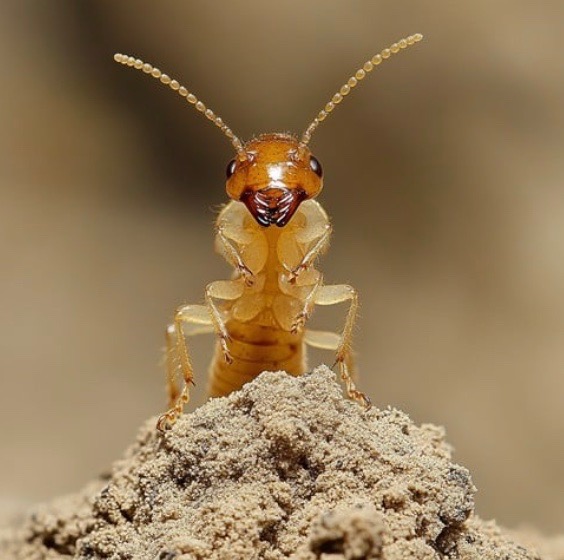
Termites do not arrive with drama. They work quietly, often for years, inside walls, beneath floors, behind trim, and under slabs. By the time a homeowner notices a warped baseboard, a hollow sounding window frame, or a thin line of mud climbing a foundation wall, the colony has usually been established long enough to do meaningful damage.
That gap between infestation and discovery is exactly why professional termite work is so effective when it is done well. It is not just a matter of spraying a product and hoping for the best. Good termite control is built on trained observation, species-specific strategy, precise application, and follow-through. The best technicians do not simply kill visible insects. They read a structure, identify pressure points, understand how termites are using moisture and concealment, and interrupt the colony in ways that casual treatment rarely can.
Homeowners often ask a fair question: if store shelves carry insecticides and bait stations, what are they paying for when they hire professional Termite Control Services? The short answer is judgment. The longer answer is that termite control works best when biology, construction knowledge, chemistry, and persistence all come together. That combination is difficult to replicate without training and experience.
Termite problems are rarely as simple as they look
One of the biggest reasons professional treatment performs better is that visible activity is only part of the story. A few winged termites near a window in spring may look like a minor nuisance. In practice, that sighting can mean a mature colony is pushing out swarmers from inside a wall void. A pencil-thin mud tube on a garage stem wall may seem isolated, but it might connect to a much larger network below grade.
Subterranean termites, the most common structural termite in many regions, live in the soil and travel back and forth to the wood they consume. Because they depend on moisture and avoid open air, they tend to stay hidden. Drywood termites behave differently. They live directly in the wood they infest and can remain tucked inside rafters, fascia boards, attic framing, or furniture. Dampwood termites are tied more closely to persistently wet wood and often point to a moisture problem that needs correction.
That distinction matters. Effective treatment starts with knowing which termite is present. A generic approach can miss the mark entirely. Applying the wrong product, in the wrong place, at the wrong time may reduce activity for a few weeks while leaving the colony functional.
Professionals are trained to look for subtle clues that help sort this out: the texture and branching pattern of shelter tubes, pellet shape and location, blistered paint, soft spots in trim, moisture readings, wood-to-soil contact, and the way damage follows grain. On a real inspection, those details shape every recommendation that follows.
Inspection is where most of the value begins
People often think of termite control as the treatment itself, but the inspection is usually the most important step. A careful inspection is not a quick walk around the house with a flashlight. It is a methodical evaluation of the structure, its vulnerabilities, and the environmental conditions that support termite activity.
An experienced inspector reads a property almost like a map. He or she notices downspouts that dump too close to the foundation, planters packed against stucco, firewood stacked against siding, mulch that bridges the slab edge, expansion joints that create hidden entry points, and crawl spaces with elevated humidity. Those may not be infestations on their own, but they create favorable conditions, and favorable conditions are often what separate a one-time scare from a recurring problem.
In older homes, the inspection often turns up layered risks. A porch addition may have buried siding. An old leak under a bathroom may have softened subflooring. A remodeled kitchen may conceal previous damage behind new finishes. In slab homes, plumbing penetrations and cold joints can give subterranean termites a sheltered route indoors. In crawl spaces, poor ventilation and condensation can make framing more attractive.
This is where professional Termite Control Services earn their reputation. They do not just identify termites. They identify why termites were able to gain a foothold and how likely the property is to attract them again.
Professionals understand termite biology, not just products
Termite treatment becomes far more effective when the person doing it understands how the insect lives. That sounds obvious, but it is often the dividing line between a temporary reduction in activity and real control.
Subterranean termites are social insects with a large colony structure. Workers forage, soldiers defend, and reproductives ensure expansion. Many modern treatment systems are designed around this social behavior. Non-repellent termiticides, for example, work because termites pass through treated zones without detecting them. They continue normal movement, contact other colony members, and spread the active ingredient through grooming and food exchange. If the chemistry is chosen and applied correctly, the colony is disrupted more broadly than with older repellent approaches.
Baiting systems use another aspect of termite biology. Foraging termites find the station, recruit nestmates, and share the bait matrix. The process takes time, but when the colony accepts the bait, the effect can reach individuals the technician will never physically see.
Drywood termites require a different mindset. Since they live inside the wood they consume, treatment may involve direct injection, localized drilling, void applications, or in some cases whole-structure fumigation. Each method has a proper place. Localized treatment can be excellent for a contained, well-defined infestation. It can be the wrong call if the colony is widespread, hidden in inaccessible areas, or split across multiple pieces of structural wood.
Product matters, but biology decides how that product should be used. Professionals who understand termite behavior can match the method to the species, the structure, and the extent of activity.
Precision matters more than most people realize
A common misconception is that termite treatment is simply a matter of applying "more." In practice, accuracy often matters more than volume. The objective is to place treatment where termites travel, feed, or emerge, and to create conditions they cannot bypass easily.
Take soil treatment around a foundation. To the untrained eye, it may look like trenching and applying diluted termiticide along the perimeter. In reality, consistent coverage, correct depth, proper volume, treatment at critical joints, and handling around porches, garages, and attached slabs all affect the result. A missed section near a bath trap, Termite Control Services a utility penetration, or a step-down slab can leave a path open.
The same is true in wall void treatments or crawl space work. Knowing where to drill, how much pressure to use, how product will disperse, and how the building is assembled makes a major difference. Overapplication can be wasteful or cause damage. Underapplication can leave active areas untouched. A seasoned technician develops a feel for these variables that does not come from reading a label once.
I have seen two nearly identical homes receive very different outcomes because one treatment accounted for hidden structural details and the other did not. The better result was not luck. It came from understanding where termites were most likely to move and where the structure offered concealment.
Professional equipment expands what can actually be done
Some termite products sold to consumers are useful in narrow situations, but professional equipment allows for a level of access and consistency that off-the-shelf tools usually cannot match. This is one of the less glamorous reasons professional work succeeds so often.
For soil treatments, calibrated tanks and injection equipment help deliver proper volumes evenly. For wall and void work, specialized applicators can place foam or liquid into enclosed spaces with more control. Moisture meters, sounding tools, borescopes, and thermal imaging do not replace experience, but they can sharpen it. They help confirm where activity is concentrated, where wood conditions are favorable, and where hidden damage may exist.
Even basic access knowledge matters. Entering a tight crawl space safely, identifying plumbing and electrical lines before drilling, and working around finished interiors without causing unnecessary damage are practical skills that protect both the effectiveness of the treatment and the condition of the property.
A professional plan is built around the structure, not a script
No two termite jobs are exactly alike, even when the species is the same. A monolithic slab home in a humid climate presents one set of challenges. A raised foundation with chronic crawl space moisture presents another. A stucco exterior with concealed slab edges creates different risks than a brick veneer home with accessible weep screeds.
Effective Termite Control Services are tailored because the structure itself determines where termites can enter, where treatment can be placed, and how follow-up should be handled. That is why one property may be best served by a full perimeter soil treatment, while another benefits from a baiting program with targeted supplemental treatment, and another still may require a more invasive drywood termite approach.
This customization is also where honest professionals distinguish themselves. Sometimes the most expensive option is not the best option. Sometimes a limited treatment is justified because activity is truly localized. Other times, a cheaper spot treatment is a false economy because it ignores colony pressure around the rest of the structure. Knowing when each applies takes judgment.
Follow-up is a major part of why professional service works
Termite control is not always a one-visit matter. Even excellent treatments often need monitoring, verification, and sometimes adjustment. That is another reason professional service tends to outperform one-time do-it-yourself efforts.
With baiting systems, follow-up is essential. Stations need to be checked, termite feeding patterns observed, bait replenished, and shifts in activity interpreted. With soil treatments, technicians may return to verify that activity has ceased and to inspect previously inaccessible areas once conditions change. With drywood termites, follow-up may include checking for fresh pellets, new kick-out holes, or evidence that a localized treatment area was larger than first believed.
There is also the practical matter of warranty and accountability. Reputable companies usually document findings, treatment locations, and recommendations. That paper trail matters. It creates continuity if the property changes hands, if an infestation reappears in a different area, or if related repairs expose old and new damage side by side.
A homeowner working alone often stops at the point where visible evidence disappears. A professional knows that visible evidence is not always the right endpoint.
Moisture control and repair recommendations are part of the solution
Termite work becomes much more durable when it includes environmental correction. This is another place where professionals bring real value. They know that termites respond to conditions as much as chemicals.
A treatment may succeed chemically and still leave the home vulnerable if the crawl space remains damp, irrigation keeps soaking the foundation, or earth-filled porches continue to hide access points. Good providers call out these issues directly, even when fixing them falls outside the pest control contract.
That advice might include improving drainage, correcting grading, separating mulch from siding, replacing damaged wood, fixing leaks, increasing crawl space ventilation, or adding vapor barriers. None of these measures is glamorous. All of them improve the odds that the treatment remains effective over time.
In homes with dampwood or moisture-linked infestations, these corrections can be decisive. Killing the termites without fixing the wet wood often means setting the table for another infestation later.
Why store-bought solutions often disappoint
Consumer products can help in very limited ways, especially for monitoring or very small, well-understood situations. The problem is that termites are rarely visible enough, accessible enough, or behaviorally simple enough for a shelf product to solve the larger issue.
Spot sprays may kill what is present on contact while leaving the colony untouched. Amateur trenching often lacks the consistency and depth needed to create an effective treated zone. Improvised bait placement may miss active foraging patterns entirely. Drywood termite aerosols can suppress a gallery near the surface while failing to reach connected chambers deeper in the timber.
There is also the risk of misidentification. Carpenter ants, wood-boring beetles, and moisture damage are routinely mistaken for termites, and the reverse happens too. A homeowner may spend weeks treating the wrong problem while damage continues.
The frustration usually comes from a mismatch between what termites are doing and what the product is designed to accomplish. Professionals close that gap by diagnosing before they treat.
The best companies balance aggression with restraint
There is a tendency to assume that aggressive treatment is always superior. In practice, the best termite work is often controlled, selective, and strategic. Too little treatment can fail, but too much treatment can mean unnecessary drilling, excess disruption, or money spent where the risk is low.
A good technician knows when to press hard and when to hold back. If a slab penetration is a likely hot spot, it deserves attention. If a wall section shows no signs of activity, moisture, or vulnerability, it may not need to be opened just because it can be. If a drywood infestation is isolated to a detached structure or decorative beam, whole-structure fumigation may be excessive. If evidence suggests diffuse infestation across inaccessible framing, a conservative spot treatment may be wishful thinking.
That balance is hard to teach from a brochure. It comes from seeing enough structures, enough failures, and enough callbacks to understand where problems usually hide and where they usually do not.
What effective termite service looks like from the homeowner side
For property owners trying to separate solid providers from weak ones, effectiveness often shows up in how a company communicates. Strong termite contractors explain what they found, where they found it, what species is likely involved, what treatment options make sense, and what each option does not solve. They talk about access limits, moisture issues, and the possibility of hidden damage. They avoid pretending that termite work is magic.
A credible proposal usually answers a few practical questions clearly:
- What evidence of termites was found, and where?
- Which treatment method is being recommended, and why?
- What preparation, access, or repairs are needed before or after treatment?
- What kind of monitoring or warranty support follows the initial service?
- What conditions on the property could increase the chance of reinfestation?
Those answers matter because they reveal whether the service is diagnostic or merely transactional. Termite control is most effective when the provider is thinking several steps ahead.
Cost and value are not the same thing
Professional termite treatment is not cheap, especially when the infestation is advanced or the structure is difficult to access. But cost should be weighed against the financial reality of termite damage. Structural repairs can climb quickly once framing, subfloors, trim, cabinetry, or exterior components need replacement. In serious cases, hidden damage can affect real estate transactions, insurance discussions, and renovation budgets.
The more useful comparison is not professional service versus a can of insecticide. It is professional service versus delayed detection, repeated failed spot treatments, and expanding repair costs.
That does not mean every premium-priced service is automatically better. Some companies oversell broad treatments where a narrower solution may be enough. Others underbid and leave out critical steps. The homeowner’s job is to assess whether the recommendation fits the evidence and the Termite Control Services structure. The best value usually comes from a provider whose plan is specific, defensible, and transparent.
The human factor still matters
For all the chemistry, equipment, and biology involved, termite control remains a trade where the technician matters enormously. Experience shows up in small ways. It shows up in how someone probes a sill plate without damaging it. In how they interpret faint staining around a door frame. In how they notice that one downspout extension is missing and connect that to elevated moisture near a known entry point. In how they explain that old damage and active damage are not the same thing, and how they prove the difference.
These are not dramatic skills, but they are the skills that prevent wasted treatment and missed infestations.
That is what makes professional Termite Control Services so effective. They combine technical tools with field judgment. They treat the colony, the structure, and the conditions that allowed the infestation to develop. They rely on inspection, not guesswork. They adapt to species, materials, moisture, and layout. Most of all, they recognize that termite control is not a product sitting in a tank. It is a process, and when that process is handled by someone who knows what to look for and what to do next, the results are usually far better than homeowners expect from the outside looking in.
Maximum Pest Control
836 NE 7th Terrace Suite #5
Cape Coral, FL 33909
+1 239-772-7363
FAQ About Termite Control Services
What are two signs of a termite infestation?
Mud tubes along a foundation and piles of shed wings near doors or windows are two signs to investigate. Mud tubes are associated with subterranean termites. A licensed inspector can identify the insect and assess whether there is active infestation.
How many years does a termite treatment last?
There is no single timeline for all treatments. The method, site conditions, and maintenance affect how long protection lasts. Bait systems rely on monitoring and service. Ask the provider for the recommended inspection schedule and the terms of any coverage.
Is Termite Treatment Expensive in Cape Coral?
Cost depends on the termite species, the size and construction of the property, the extent of activity, and the treatment method. Request a written estimate after inspection and ask whether monitoring, follow-up visits, and renewals are included.